The Best Barefoot Shoes for People on Their Feet All Day
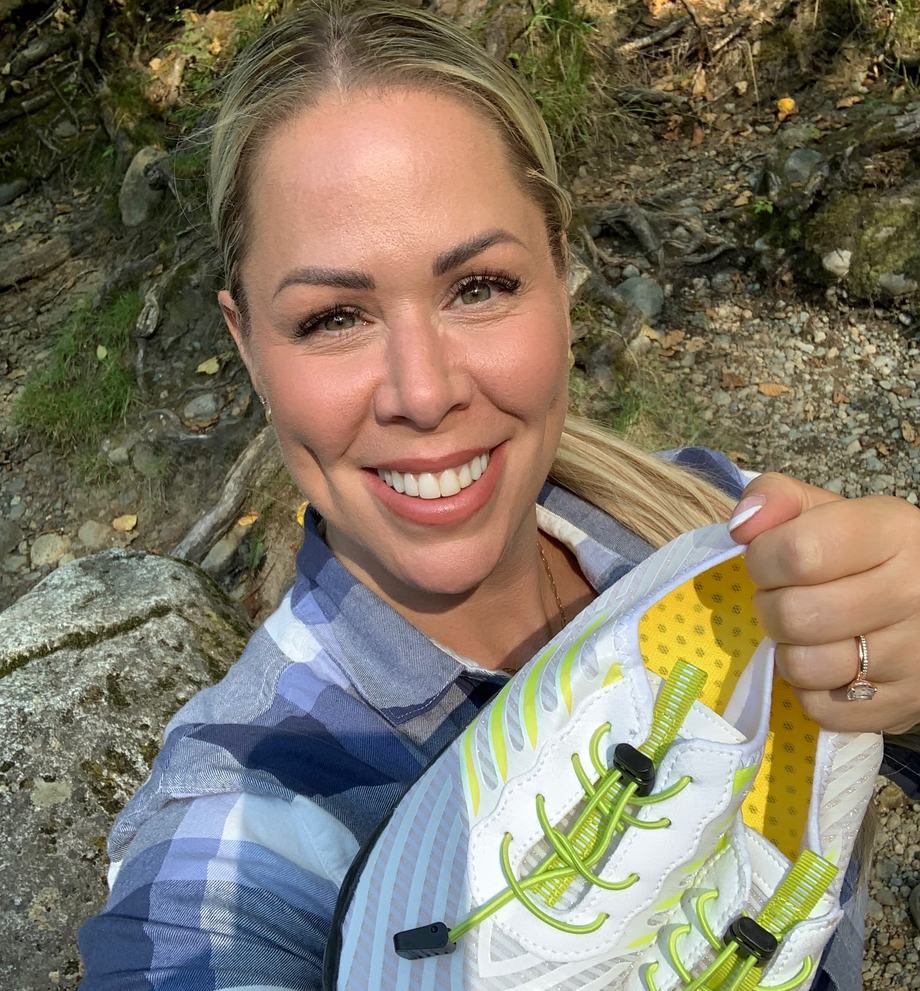
On your feet all day? By evening, you feel every hour of it.
Barefoot shoes take a different route to comfort — a wide toe box that lets your toes spread, and a flat, flexible sole that lets your foot move the way it's built to instead of fighting a stiff, narrow one. For anyone on their feet from morning to night, that's the difference between dragging through the day and barely thinking about your feet.
The catch: the pairs everyone talks about are either expensive or look like rubber gloves for your feet. We compared the popular options on what actually decides it — fit, all-day comfort, a normal look, and price — and one pulled clearly ahead for most people.
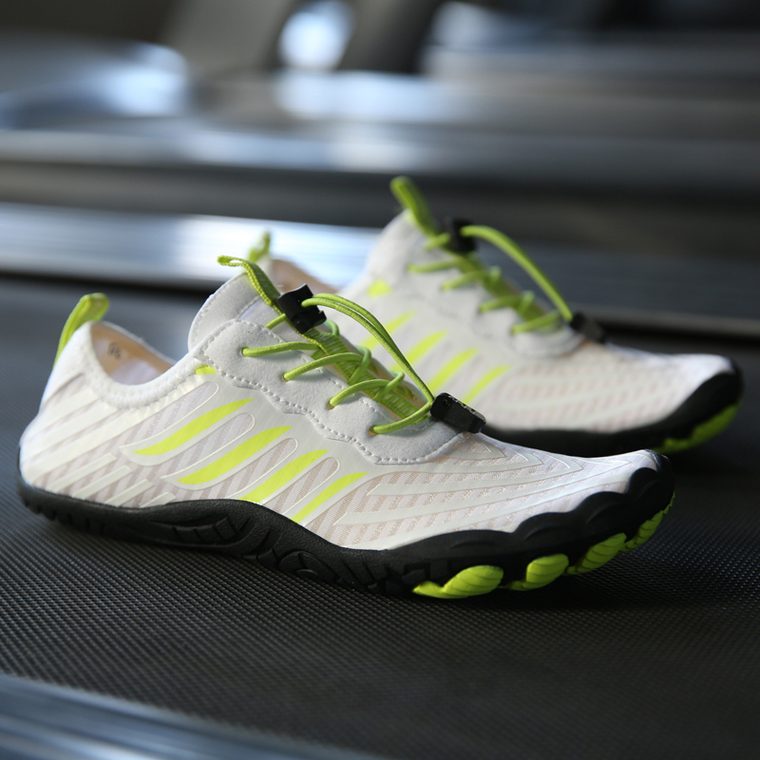
Wide-toe comfort in a shoe that looks normal
The full barefoot feel — roomy toe box, zero-drop, flexible sole — but styled like an everyday sneaker, at a fraction of the premium names. The one honest trade-off: like any barefoot shoe, it takes a week or two to break in.
$69.99 — Check availability →Why it's our pick
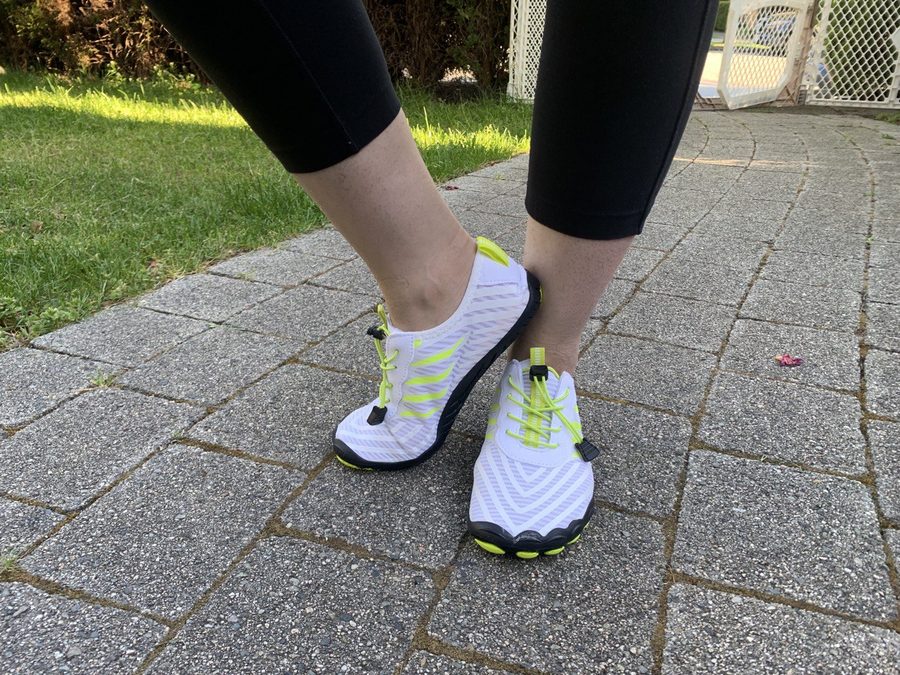
Of the wide-toe, zero-drop shoes we compared, Grounded makes the fewest compromises for the most people. The wide toe box does the main job well — it gives your toes room to spread instead of funneling them into a point, which is exactly what people coming out of years in narrow shoes are missing. The flat, flexible sole lets your foot move naturally, instead of a thick slab of cushioning doing the work for it.
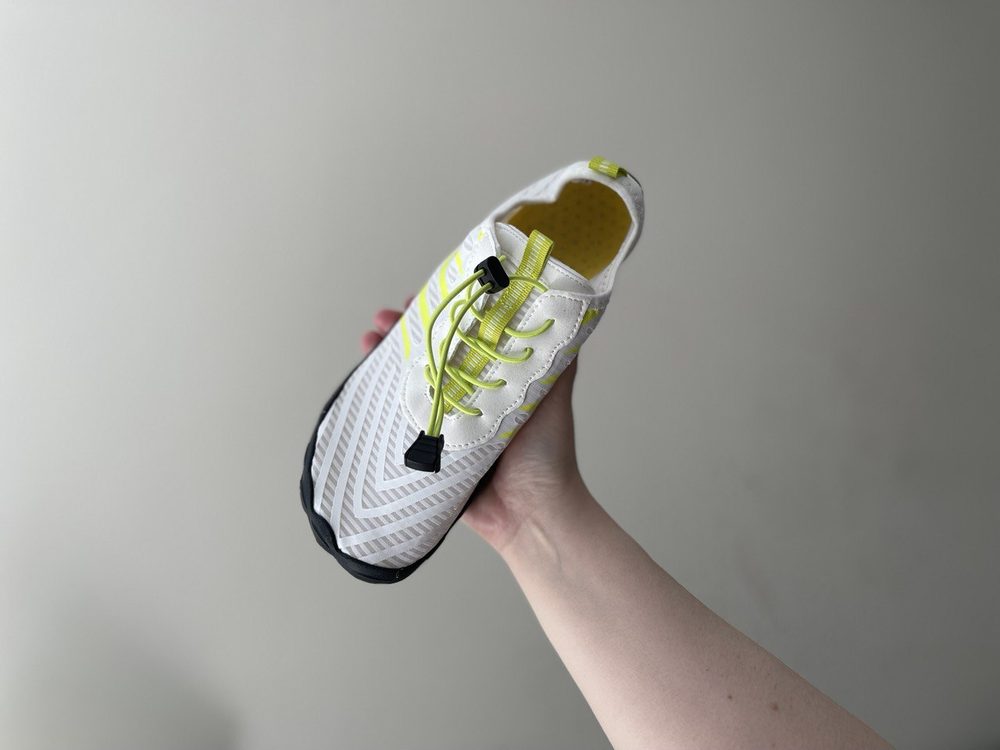
Two things set it apart from the better-known barefoot brands. It looks like an ordinary sneaker — none of the toe-separated novelty look, and nothing that reads as an orthopedic shoe — so you'll actually wear it out. And at $69.99 it undercuts the premium names by a wide margin. Add the money-back guarantee, and it's the lowest-risk way to find out whether barefoot shoes work for you.
It also just fits into real life: it comes in nine colorways, it's light and breathable, and because it looks and wears like a normal sneaker, one pair can cover what you used to split between work shoes, walking shoes, and knock-arounds.
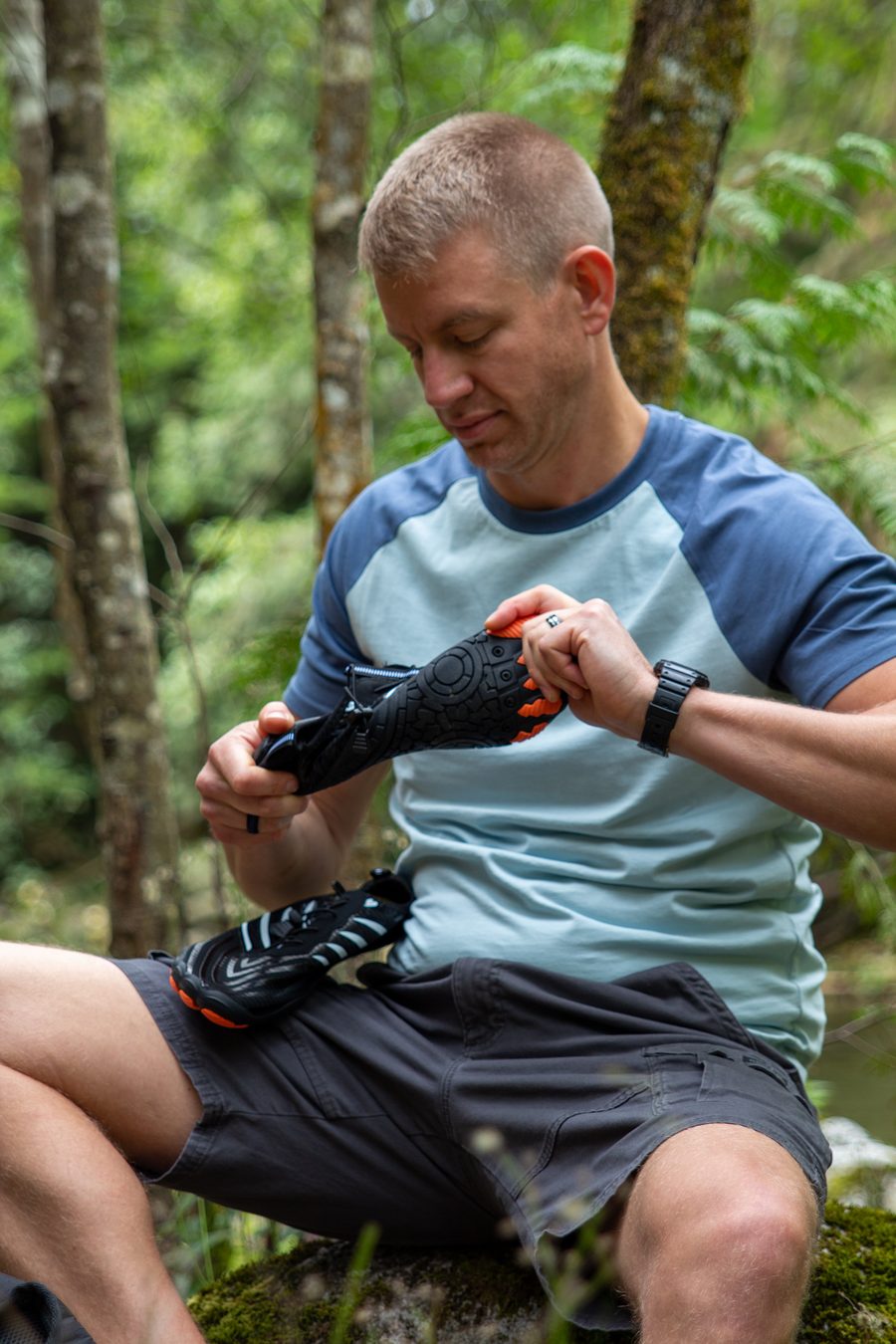
Flaws but not dealbreakers
- It needs a break-in. Your feet and calves take a week or two to adjust to less structure. Ease in with short wears rather than going all-day on day one.
- Less cushioning than a padded sneaker. That's the whole point of the category — but if you want a plush, marshmallow ride, this isn't it.
- It's mostly sold direct online. You won't find these on a store shelf to try on first — but the money-back guarantee covers that, so you can test a pair at home risk-free.
If you've already tried everything
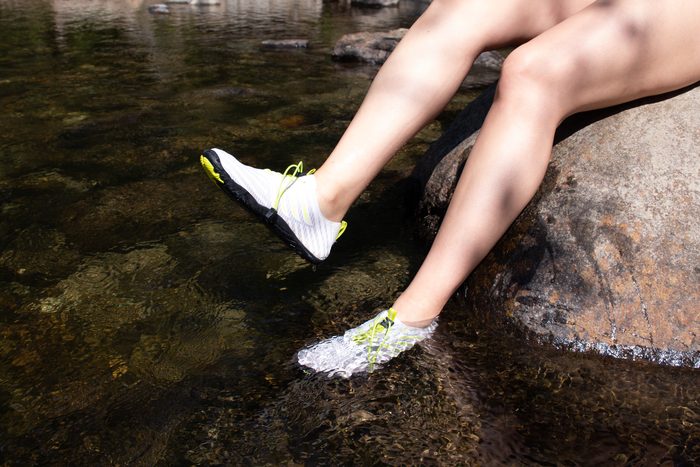
Most people looking at barefoot shoes have already spent real money chasing comfort — $150 cushioned "supportive" sneakers, $300–$600 custom orthotics, months of physical therapy, maybe even shots or talk of surgery. The frustrating part isn't only the cost. It's that so much of it turns out temporary, or only helps inside one specific pair of shoes.
Barefoot shoes take the opposite approach: instead of piling on more cushioning and structure, they get out of your foot's way and let it move naturally. It isn't a magic cure — if you have a diagnosed condition, it's worth a word with a professional — but at $69.99, backed by a money-back guarantee, it's easily the least expensive thing on that list to try.
Still on the fence? Here's what usually stops people
"Will they help with my plantar fasciitis?"
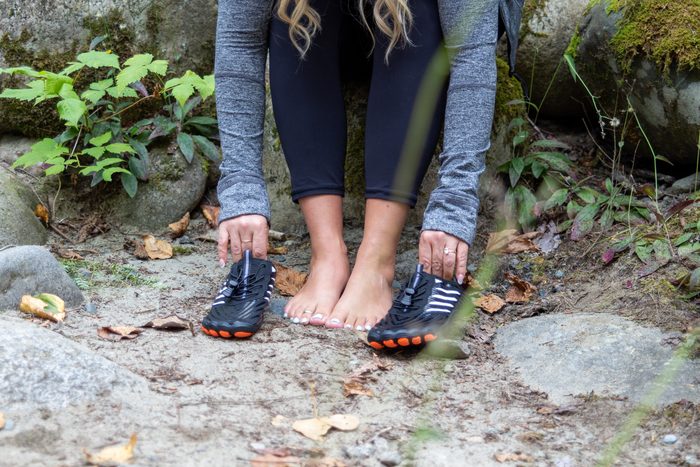
It's one of the most common reasons people try wide-toe, zero-drop shoes in the first place. No shoe can promise to fix a diagnosed condition — that's a conversation for a professional — but the roomy toe box and natural, unforced movement are exactly what draws people with sore, tired feet to the category. With the money-back guarantee, you can try a pair and judge for your own feet.
"I have wide feet or bunions — nothing fits."
That's exactly who the wide toe box is for. Your toes get to sit and spread instead of being pinched. For a lot of wide-footed people it's the first shoe in years that doesn't hurt.
"Won't my feet hurt without arch support?"
For a week or two, maybe — because your foot is finally doing its own work. Ease in, and most people stop missing the support they thought they couldn't live without.
"Aren't barefoot shoes ugly?"
Some are. This one isn't — it looks like a normal sneaker, which is the whole reason you'll actually keep wearing it.
"What if they're not right for me?"
Then you send them back. The money-back guarantee means the only thing you're risking is finding out you love them.
How it compares to the big names
Two well-known barefoot brands come up constantly. They're good — here's why they didn't win for most people.
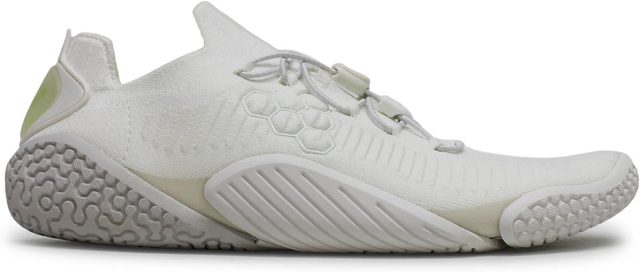
The premium, performance-leaning option
A genuine barefoot shoe from one of the most respected names in the category — flexible, well-made, and with a loyal following. But at around $160 you're paying a steep premium for the brand, and the Motus Flex leans toward the gym and training rather than easy all-day wear. Worth it if budget isn't a concern and you want the pedigree.
Check price on Amazon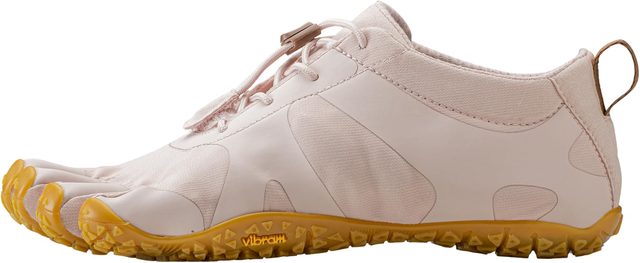
The technical, closest-to-barefoot option
The most extreme ground feel of the bunch — individual toe pockets, a barely-there 3.7 mm sole, and Vibram's grippy trail outsole. Superb if you're a hiker or purist who wants maximum feedback off-road. But the toe-glove look and trail-specific build are a lot for anyone who just wants a comfortable everyday shoe, and at around $140 you're paying for serious outdoor tech you may never use walking around town.
Check price on AmazonWhat to look for in a barefoot shoe
A few features separate a pair you'll love from one you'll abandon after a week — and they're the ones our pick nails:
- A genuinely wide toe box — your toes should spread, not just fit.
- Zero drop — no heel-to-toe height difference, so your foot sits naturally.
- A thin, flexible sole — you should be able to bend and roll it easily.
- Normal styling — a shoe you're embarrassed to wear is a shoe you won't wear.
- A real return policy — the only way to know if barefoot works for you is to walk in a pair.
How we evaluate
We compare products on the things that decide whether you keep using them — here, that's fit, all-day comfort, everyday appearance, and price relative to the category — drawing on manufacturer specifications, publicly available product information, and buyer feedback. Rankings reflect our editorial opinion, and we earn a commission on some links, which never affects the order. Nothing here is medical advice; for a diagnosed foot condition, see a professional.
The bottom line
Grounded is the pair we'd reach for first: real wide-toe, zero-drop comfort in a shoe that looks like a normal sneaker — not an orthopedic clog — so you can keep working, walking the dog, and getting out there without babying your feet. At $69.99 with a money-back guarantee, it's an easy thing to finally do for yourself.
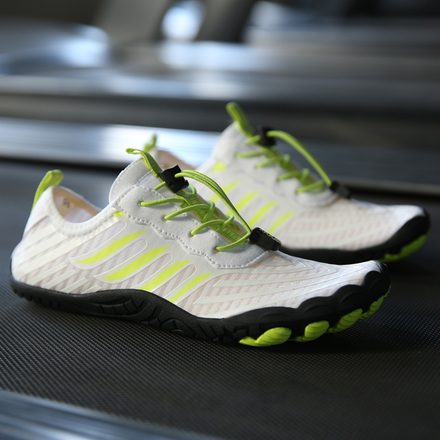
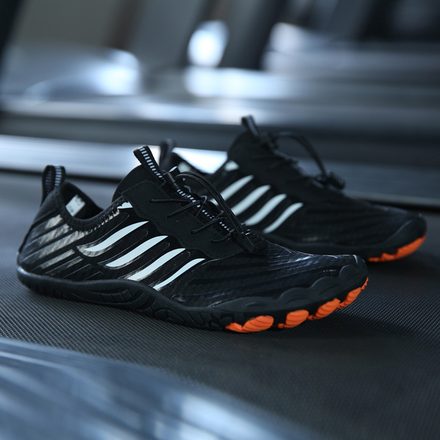
Nine colorways in all — pick yours on the next page.
$69.99 — Check availability →